Thursday, October 17, 2024

How to create a personalized love spell


How to Create a Personalized Love Spell

Crafting a personalized love spell is an empowering way to align your intentions with the natural forces of the universe. Unlike pre-written spells, a personalized spell reflects your unique desires, relationships, and energies. This guide outlines the essential steps to design and perform a meaningful and ethical love spell that resonates with your individuality.

I invite you to read an article about love spells https://magical-rituals.com/blog/2024/10/30/love-spells-using-personal-items/ 

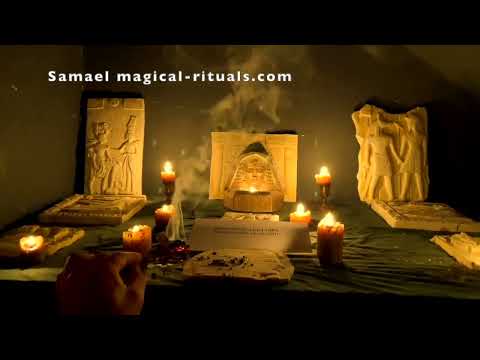
I recommend watching the video 


The Purpose of Love Spells

Love spells are not about controlling others but rather about attracting or enhancing love in ways that align with the caster’s intentions. These intentions may include:

  • Attracting new love.
  • Rekindling passion in an existing relationship.
  • Fostering self-love and healing.

Ethics in Love Magic

Before beginning, reflect on the ethical implications of your spell:

  • Respect free will: Avoid targeting specific individuals unless they have consented.
  • Focus on positive outcomes: Aim to manifest love in ways that do not harm yourself or others.
  • Avoid manipulation: Love spells should be about connection and harmony, not control.

Steps to Create a Personalized Love Spell

Step 1: Clarify Your Intention

Your intention forms the core of your spell. Take time to reflect on:

  • What you truly desire: Is it a soulmate, rekindled passion, or personal growth?
  • Why you want this: Align your spell with genuine and selfless motivations.
  • How this will serve your highest good: Ensure the outcome promotes mutual happiness.

Write your intention in a concise, positive statement, such as:
"I attract a loving, harmonious relationship that brings joy and growth to both partners."


Step 2: Select Correspondences

Correspondences are symbolic tools that align with your intention. They can include:

Herbs and Botanicals

  • Rose petals: Represent love and romance.
  • Lavender: Promotes calm and harmony in relationships.
  • Cinnamon: Enhances passion and desire.

Crystals

  • Rose quartz: Amplifies love and compassion.
  • Amethyst: Provides emotional clarity and healing.
  • Garnet: Sparks passion and vitality.

Colors

Colors are essential in spellcasting, influencing the energy of your ritual:

  • Pink: Symbolizes unconditional love.
  • Red: Represents passion and desire.
  • White: Stands for purity and new beginnings.

Candles

Candles focus energy and symbolize your intention. Carve your desire into the candle or anoint it with essential oils.


Step 3: Choose the Right Timing

The timing of your spell can enhance its potency. Consider:

  • Moon Phases:
    • Waxing moon: Ideal for attraction and growth.
    • Full moon: Amplifies manifestation energy.
    • Waning moon: Releases negativity or old relationships.
  • Days of the Week:
    • Friday: Ruled by Venus, the planet of love, making it perfect for love spells.

Step 4: Design Your Ritual

Rituals provide structure and focus to your spell. Customize the following elements:

Opening the Space

  • Cleanse your space with sage, palo santo, or incense.
  • Create an altar with items that represent your intention (candles, crystals, photographs).

Setting the Mood

  • Play calming or romantic music.
  • Dim the lights or work in candlelight to enhance focus.

Casting the Circle

  • Draw an energetic circle around yourself to contain and amplify your energy. Visualize a glowing light encircling you as a protective barrier.

Performing the Spell

  • State your intention aloud: Clearly articulate what you want to manifest.
  • Focus your energy: Meditate on your intention while holding your chosen herbs or crystals.
  • Light your candle: Visualize the flame carrying your desire into the universe.
  • Seal the spell: Conclude by saying, "So mote it be" or another phrase of affirmation.

Step 5: Close the Ritual

When the spell is complete:

  • Thank any spiritual guides or deities you invoked.
  • Release the energy by visualizing the circle dissolving.
  • Safely extinguish the candles, keeping any remnants (wax, ashes) for later disposal or safekeeping.

Enhancing Your Spell’s Effectiveness

Write a Personal Incantation

Your spell can include a short chant or poem that reflects your intention. For example: "By the light of this flame, love shall appear,
Pure and true, without doubt or fear."


Maintain Emotional Alignment

To enhance your spell’s success:

  • Practice self-love and gratitude daily.
  • Let go of doubts or impatience, trusting the universe to fulfill your request.

Common Mistakes to Avoid

  1. Targeting Specific Individuals: This can infringe on free will and lead to unintended consequences.
  2. Performing Spells in a Negative State: Ensure you are emotionally balanced before casting.
  3. Ignoring Preparation: Proper cleansing, tools, and focus are essential for effective spellcasting.

Conclusion

Creating a personalized love spell allows you to infuse your unique energy and intentions into the ritual. By carefully selecting correspondences, timing, and ethical practices, you can craft a spell that resonates with your desires while respecting universal laws. Love magic is a journey of self-discovery and connection, fostering both personal growth and meaningful relationships.


Bibliography

  1. Cunningham, Scott. Cunningham's Encyclopedia of Magical Herbs. Llewellyn Publications, 2000.
  2. Hall, Judy. The Crystal Bible. Walking Stick Press, 2003.
  3. Buckland, Raymond. Buckland's Complete Book of Witchcraft. Llewellyn Publications, 1986.
  4. Dunwich, Gerina. Love Magic: Over 250 Spells and Potions for Getting It, Keeping It, and Making It Last. Citadel Press, 2002.
  5. Guiley, Rosemary Ellen. The Encyclopedia of Witches, Witchcraft, and Wicca. Facts on File, 2008.
  6. https://verifiedspellcaster.com/how-long-to-wait-for-the-effects-of-love-magic/ 
  7. https://verifiedspellcaster.com/real-spells-for-love/ 

Friday, October 11, 2024

Energy cleansing with meditation


Energy Cleansing with Meditation: A Path to Inner Peace

Energy cleansing is a powerful process that involves clearing away negative, stagnant, or overwhelming energies that can accumulate in both your body and environment. It is believed that our energy fields, also known as aura, can become affected by various external and internal influences such as stress, negative emotions, environmental toxicity, and even the energy of others. Meditation, a deeply transformative practice, serves as an effective tool for energy cleansing, helping restore balance, clarity, and emotional well-being.

In this article, we will explore how meditation can be used for energy cleansing, its benefits, and how to incorporate it into your daily routine.

I recommend the article https://magical-rituals.com/blog/2024/10/02/recipe-for-effective-energy-cleansing/ 

I recommend watching the video 


What is Energy Cleansing?

The Concept of Energy Cleansing

Energy cleansing involves techniques or practices that aim to remove blockages, stagnant energy, or negative vibrations from the body, mind, and spirit. These blockages can manifest as feelings of fatigue, emotional imbalance, or physical discomfort, which can arise from the accumulation of negative energies. When your energy field becomes disrupted or polluted, it can lead to imbalances that may affect your overall well-being.

Meditation is one of the most effective methods of cleansing and balancing energy. Through focused intention, breathwork, and visualization, meditation allows you to clear negative energies, restore emotional equilibrium, and promote mental clarity.

How Energy Affects the Body and Mind

Our energy is closely linked to our emotions, thoughts, and even physical health. When energy flows freely, we experience a sense of vitality, peace, and mental clarity. Conversely, when this energy becomes blocked or disrupted, it can manifest as physical ailments, anxiety, depression, or a general feeling of being "stuck."

Energy cleansing aims to promote balance in the body’s energy system, supporting emotional and mental health. By removing the buildup of negativity, you allow yourself to become more in tune with your higher self, intuition, and spiritual essence.


How Meditation Helps with Energy Cleansing

Meditation as a Tool for Clearing Negative Energy

Meditation has long been recognized as a method for achieving inner peace, emotional healing, and mental clarity. When used for energy cleansing, meditation helps in several ways:

  1. Relaxation: Meditation induces a state of deep relaxation, allowing your mind and body to release tension. This relaxation opens the channels of energy within you, making it easier to let go of any negative vibrations or emotional baggage.

  2. Mindfulness: Meditation encourages mindfulness, or the practice of being fully present in the moment. By being aware of your thoughts and feelings, you can observe negative energy without attaching to it, allowing it to pass without affecting your overall state of mind.

  3. Visualization: Visualization techniques, often used in meditation, enable you to clear your aura by imagining light, healing energy, or cleansing elements removing negativity. These vivid images can act as a powerful tool in transforming your energy field.

  4. Focused Intention: In meditation, you can set a specific intention for your energy clearing process. Intentions help direct the flow of energy and empower the process of cleansing.

  5. Breathing: Conscious breathing, a central component of meditation, facilitates the movement of energy within the body. Deep breaths stimulate the flow of vital energy (also known as prana, chi, or life force) and aid in clearing blockages.


Types of Meditation for Energy Cleansing

There are various meditation techniques that can be used to cleanse the energy field. Below, we explore some of the most effective methods.

1. Guided Meditation for Energy Clearing

Guided meditations often involve a narrator or instructor who leads you through a specific visualization or process. These meditations may focus on removing negative energies, balancing chakras, or invoking healing energy to restore vitality.

How to Practice Guided Meditation for Energy Cleansing:

  1. Find a quiet, comfortable space where you won't be disturbed.
  2. Close your eyes, take a few deep breaths, and relax your body.
  3. Use a guided meditation (either through an app, video, or audio recording) that focuses on energy cleansing.
  4. Follow the meditation's instructions, which may include visualizing healing light, calling on healing energies, or focusing on specific chakras.
  5. Conclude by grounding yourself with deep breaths and positive affirmations.

2. Chakra Meditation

Chakras are energy centers located along the spine, and each one corresponds to different aspects of our physical, emotional, and spiritual well-being. A chakra meditation aims to clear blockages in these energy centers, promoting health and balance.

Steps for Chakra Meditation:

  1. Sit comfortably with your back straight and close your eyes.
  2. Begin by focusing on your breath, inhaling and exhaling deeply.
  3. Start at the base of your spine (Root Chakra) and slowly work your way up through each chakra (Sacral, Solar Plexus, Heart, Throat, Third Eye, and Crown).
  4. As you focus on each chakra, visualize a specific color or light associated with that chakra (e.g., red for the root, green for the heart).
  5. Imagine the energy in each chakra becoming clear and vibrant as you breathe deeply.
  6. End the meditation by grounding your energy through deep breathing or by visualizing roots connecting you to the Earth.

3. Breathwork for Energy Clearing

Breathwork is an essential part of many meditation practices and can be particularly effective for energy cleansing. Conscious breathing helps to release tension, clear mental fog, and re-energize the body’s energy system.

Basic Breathwork for Energy Cleansing:

  1. Sit in a comfortable position with your back straight.
  2. Take a deep inhale through your nose, holding for a few seconds, then exhale slowly through your mouth.
  3. Continue breathing deeply and mindfully, focusing on clearing any negative thoughts or emotions.
  4. Visualize the breath flowing through your body, pushing out negativity as you exhale.
  5. After a few minutes, end the session by taking several deep breaths, grounding yourself in the present moment.

Additional Tips for Energy Cleansing with Meditation

1. Create a Sacred Space

To enhance the effectiveness of your meditation, create a calm and peaceful environment. Light candles, burn incense, or play soft, soothing music to set the mood for cleansing and healing.

2. Use Affirmations

Positive affirmations are a powerful tool in energy cleansing. As you meditate, repeat affirmations such as: "I am clear, balanced, and filled with positive energy" or "I release all negative emotions and welcome peace and love."

3. Practice Regularly

Energy cleansing is most effective when practiced regularly. Set aside time each day, even for just a few minutes, to meditate and clear your energy field.

4. Drink Water

After energy cleansing, it is important to hydrate your body. Water helps flush out toxins and promotes overall well-being, complementing the effects of meditation.


Benefits of Energy Cleansing Through Meditation

  • Improved Emotional Health: By releasing negativity, meditation can help alleviate stress, anxiety, and other emotional imbalances.
  • Mental Clarity: Regular meditation allows you to cultivate mindfulness, which can lead to greater mental clarity and focus.
  • Enhanced Spiritual Connection: Energy cleansing promotes a deeper connection to your higher self, intuition, and spiritual essence.
  • Better Sleep: As your energy field becomes clearer, your mind and body will experience less tension, leading to more restful sleep.
  • Increased Vitality: Clearing stagnant or negative energy boosts your overall energy levels and helps you feel more energized and alive.

Conclusion

Energy cleansing with meditation is a simple yet profound practice that can bring about physical, emotional, and spiritual healing. By incorporating meditation into your daily routine, you can remove blockages, clear negative energy, and restore balance to your life. Whether through guided meditation, chakra work, or breathwork, the benefits of energy cleansing are numerous and lasting. With regular practice, you can cultivate inner peace, mental clarity, and emotional resilience.


Bibliography

  1. Miller, T. (2015). Energy Clearing: A Guide to Energy Healing and Meditation. Healing Arts Press.
  2. Clements, J. (2018). The Chakra Meditation Workbook: A Guide to Healing the Seven Energy Centers. Llewellyn Publications.
  3. Harris, G. (2016). The Power of Breathwork: Meditations to Clear Negative Energy. Shambhala Publications.
  4. Judith, A. (2004). Wheels of Life: A User's Guide to the Chakra System. Llewellyn Publications.
  5. Brown, P. (2020). Healing Through Meditation: Techniques for Restoring Balance to Mind and Body. Watkins Publishing.

Friday, September 27, 2024

Signs a love spell might be working


Signs a Love Spell Might Be Working

Love spells have long been a popular form of magic, used to attract love, enhance existing relationships, or heal emotional wounds. While the nature of magic itself can sometimes be mysterious, practitioners often wonder how to recognize if a love spell is working. Understanding the signs that a spell is beginning to manifest is essential for gauging the effectiveness of the magic and ensuring the practitioner stays aligned with their intentions.

In this article, we explore the signs that suggest a love spell may be working, from subtle emotional shifts to tangible changes in your environment. Whether you are new to the practice or an experienced practitioner, knowing what to look for can help guide your magical journey.

I recommend reading the article https://magical-rituals.com/blog/2024/10/20/spiritual-guide-candle-spells/ 

I recommend watching the video 


What to Expect When a Love Spell Begins to Work

When performing a love spell, it is essential to understand that manifestation may not always be immediate. The process of bringing about change in love magic often unfolds gradually. Here are the most common signs that suggest a spell is starting to take effect:


1. Increased Emotional Sensitivity

Heightened Emotions and Intuition

A common sign that a love spell is working is an increase in emotional sensitivity. You may begin to feel more in tune with your emotions or become more empathetic to the feelings of others. This heightened emotional awareness often leads to an increased connection with your desires and an ability to understand what you need in your love life.

As your intuitive energies open up, you may also begin to experience vivid dreams or visions related to your desires. These dreams can offer guidance or reveal aspects of yourself or your relationship that were previously hidden. This kind of emotional shift can indicate that your spell is aligning with your true intentions and is helping you open up to receiving love.

According to The Magic of Witchcraft by D.J. Conway, spells that align with your emotional core are most effective because they tap into your innermost desires, pushing you to acknowledge and act upon them (Conway, 2001).


2. Unexplained Serendipities and Synchronicities

Signs from the Universe

Another indication that your love spell is working is the occurrence of synchronicities or serendipitous events. You may begin to notice a string of coincidental events that seem too perfect to be random. For example, you may meet someone who shares your values, interests, or desires in an unexpected place, or you might run into a person from your past at a meaningful time.

These events are often interpreted as signs from the universe that your intentions are beginning to manifest. In The Encyclopedia of Witches, Witchcraft, and Wicca, Rosemary Ellen Guiley suggests that synchronicities happen when your magical energy aligns with the flow of the universe, confirming that your spell is gaining momentum (Guiley, 2008).


3. Changes in the Behavior of Others

Shifts in Attraction or Communication

One of the most obvious signs that a love spell is working is a noticeable change in the behavior of the person you are focusing on. They may start to act differently towards you, showing more interest, affection, or openness. You might notice that they seem more attentive, call or text more frequently, or show up unexpectedly in your life.

These changes can be subtle at first, but they indicate that the energies you’ve sent out are beginning to influence the person you desire. According to Love Magic by Gerina Dunwich, the law of attraction plays a significant role in love spells, where your emotional energy attracts corresponding energies from others (Dunwich, 2002).


4. Feeling Drawn to New People

Opening the Path to New Love

While it may seem counterintuitive, a love spell that works may also cause you to be drawn to new people. If you are open to the possibility of love, a successful spell may guide you to encounter someone who embodies the qualities you're seeking. This can happen even if you initially cast the spell with a particular person in mind. The spell works by attracting the energies that resonate with your desires, which may not always manifest in the person you expected.

You might start to feel a natural pull toward certain individuals or be introduced to people in situations you would have previously overlooked. This is a sign that your spell is enhancing your ability to connect with people on a deeper level and is opening you up to new opportunities for love.


5. Feeling of Being More Confident and Attractive

Personal Transformation

Love spells are not just about influencing others—they can also work on your own sense of self-worth and confidence. If a love spell is working, you may notice an increase in your self-esteem or self-love. You might start to feel more attractive, charismatic, and deserving of love. This transformation often manifests in both internal shifts and external changes, such as others noticing you more or giving you compliments.

In Wicca for One, Raymond Buckland emphasizes that confidence is a crucial element in successful love magic, as self-assurance radiates outward, making you more appealing to others (Buckland, 1992). The emotional work done by a love spell is often as much about improving how you see yourself as it is about attracting others.


6. Sudden Clarity About Your Love Life

Mental Clarity and New Perspectives

Sometimes, the effects of a love spell show up in a more cerebral way. You might experience sudden insights into your love life, such as understanding what has been holding you back, realizing what you truly want in a partner, or recognizing patterns in past relationships. This clarity can help you make better choices in your romantic pursuits and deepen your connection with yourself and others.

As love magic works to align your intentions with the universe, you may find yourself letting go of past hurts or emotional baggage that has prevented you from fully embracing love. This shift is often described as a mental or spiritual awakening, clearing the path for deeper, more fulfilling connections.


7. Physical Symptoms and Energy Shifts

Manifestation Through Energy

In some cases, practitioners report physical sensations when a spell is working. These can range from feeling an energetic shift in your environment (such as a change in temperature or a sudden sense of peace) to subtle body sensations, such as tingling or warmth. These signs often suggest that the energies of your spell are starting to align with your desires on a physical level.

These energy shifts can also manifest in more tangible forms, such as changes in your daily routine or increased social interactions. As love energy begins to flow freely, it can ripple through your life, affecting your physical world as well.


8. Increased Interest in Self-Care and Love Rituals

Self-Love as a Reflection of Spellwork

A sign that a love spell is working is a renewed interest in self-care and personal growth. You may begin to feel more motivated to improve your appearance, engage in activities that make you feel good, or practice rituals that enhance your sense of self-love. This is a positive sign that the love spell is influencing your ability to nurture and care for yourself, which is a key element in attracting love into your life.

As you increase your self-awareness and care for your own needs, you are better able to create space for others to love you, whether romantically or platonically.


9. Unexpected Acts of Kindness and Love

Spreading the Energy of Love

Finally, one of the clearest signs that a love spell is working is when you begin to receive unexpected acts of kindness, affection, or love from people around you. This could be from friends, family, or even strangers. These small gestures are often manifestations of the love energy you’ve sent out returning to you in different forms, reaffirming the positive effects of your spell.

As love energy circulates, it can create an aura of attraction around you, encouraging others to show their appreciation, care, and affection.


Conclusion

Recognizing when a love spell is working can be challenging, especially since the effects may be subtle or take time to fully manifest. However, by paying attention to shifts in your emotions, external synchronicities, and changes in the behavior of those around you, you can gauge the success of your spell. Remember, love spells work best when you maintain a positive, open-minded, and patient attitude, and always align your intentions with ethical practices that respect the free will of others.


Bibliography

  1. Buckland, Raymond. Wicca for One: The Path of Solitary Witchcraft. Llewellyn Publications, 1992.
  2. Conway, D.J. The Magic of Witchcraft. Citadel Press, 2001.
  3. Dunwich, Gerina. Love Magic: Over 250 Spells and Potions for Getting It, Keeping It, and Making It Last. Citadel Press, 2002.
  4. Guiley, Rosemary Ellen. The Encyclopedia of Witches, Witchcraft, and Wicca. Facts on File, 2008.

Thursday, September 19, 2024

The influence of the moon on love spells


The Influence of the Moon on Love Spells

The moon has been a central figure in folklore, spirituality, and magic for centuries. Its cycles are thought to influence the tides, emotions, and even the outcomes of spells. In love magic, the moon’s phases are particularly significant, as each phase represents a distinct type of energy that can be harnessed to enhance the effectiveness of love spells. Understanding the moon’s influence allows practitioners to time their rituals for maximum potency and alignment with their intentions.

I recommend the article https://magical-rituals.com/blog/2024/10/26/true-love-spells-that-work/ 

Feel free to watch the video


The Symbolism of the Moon in Love Magic

The moon symbolizes femininity, intuition, and emotional depth, all essential components of love and relationships. Its changing phases reflect the cyclical nature of emotions and desires. Historically, the moon has been associated with goddesses of love, such as Aphrodite, Selene, and Artemis, linking its energy directly to matters of the heart.


The Moon’s Phases and Their Role in Love Spells

Each phase of the moon carries specific energies that can influence the nature of love spells. By aligning a spell with the moon’s phase, practitioners can amplify their intentions and increase the likelihood of success.


1. New Moon

Symbolism

  • New beginnings, potential, and fresh starts.

Applications in Love Spells

  • Attraction Spells: Ideal for setting intentions to attract new love or romantic opportunities.
  • Self-Love Rituals: Focus on building confidence and emotional clarity.

Sample Ritual

  • Write a list of qualities you desire in a partner and place it under a white candle. Light the candle and visualize meeting someone who embodies these traits.

2. Waxing Crescent Moon

Symbolism

  • Growth, expansion, and building momentum.

Applications in Love Spells

  • Strengthening Bonds: Enhancing communication and deepening connections in existing relationships.
  • Manifestation Spells: Building on the intentions set during the new moon.

Sample Ritual

  • Charge a piece of rose quartz under the waxing crescent moon and carry it with you to encourage romantic opportunities.

3. First Quarter Moon

Symbolism

  • Action, decision-making, and progress.

Applications in Love Spells

  • Passion Spells: Rekindling physical attraction in long-term relationships.
  • Overcoming Obstacles: Addressing challenges in love and relationships.

Sample Ritual

  • Write down obstacles affecting your relationship on a piece of paper and burn it under the moonlight to symbolize releasing these blockages.

4. Waxing Gibbous Moon

Symbolism

  • Refinement, preparation, and alignment.

Applications in Love Spells

  • Finalizing Intentions: Ensuring clarity and focus before the full moon.
  • Reconciliation Spells: Preparing emotional space for forgiveness and healing.

Sample Ritual

  • Prepare a love sachet with lavender, rose petals, and cinnamon, charging it with your intentions under the waxing gibbous moon.

5. Full Moon

Symbolism

  • Manifestation, abundance, and culmination.

Applications in Love Spells

  • Culmination Spells: Bringing desires into reality, whether attracting new love or solidifying an existing bond.
  • Passion and Fertility Spells: Enhancing intimacy and physical connection.

Sample Ritual

  • Perform a love bath by infusing water with rose petals, honey, and a piece of moonstone. Meditate on your desires while bathing under the full moon.

6. Waning Gibbous Moon

Symbolism

  • Gratitude, release, and reflection.

Applications in Love Spells

  • Healing Spells: Letting go of past heartbreak or emotional pain.
  • Self-Love Spells: Focusing on personal growth and emotional well-being.

Sample Ritual

  • Light a lavender-scented candle and write a letter to your past self, expressing forgiveness and love. Burn the letter as a symbolic release.

7. Last Quarter Moon

Symbolism

  • Rest, release, and closure.

Applications in Love Spells

  • Breakup Spells: Gently ending unhealthy relationships or emotional ties.
  • Cleansing Rituals: Removing negative energy from your love life.

Sample Ritual

  • Use a smudging stick of sage or palo santo to cleanse your space and aura, focusing on releasing any lingering negativity.

8. Waning Crescent Moon

Symbolism

  • Surrender, intuition, and deep introspection.

Applications in Love Spells

  • Divination: Seeking guidance about love or relationships through tarot or pendulum readings.
  • Preparation for New Cycles: Reflecting on past lessons in love and setting intentions for the next lunar cycle.

Sample Ritual

  • Meditate with an amethyst crystal to enhance intuition and gain clarity about your romantic path.

Eclipses and Their Role in Love Spells

Lunar eclipses are considered times of powerful transformation and disruption. While some practitioners avoid performing love spells during eclipses due to their chaotic energy, others use these events to:

  • End Toxic Relationships: Harness the eclipse’s energy to break free from negative patterns.
  • Revolutionize Love: Embrace significant changes in your romantic life.

Combining Moon Energy with Other Elements

The moon’s influence can be enhanced by incorporating additional magical tools:

  • Crystals: Charge rose quartz, moonstone, or garnet under the moonlight to align their energies with your spell.
  • Herbs: Use lavender, basil, or cinnamon to create moon-charged oils or sachets.
  • Candles: Use colored candles that match the moon phase (white for purity, pink for love, red for passion).

Practical Tips for Lunar Love Magic

  1. Track the Moon Cycles: Use a lunar calendar to plan your spells.
  2. Cleanse and Prepare Tools: Regularly cleanse your crystals, candles, and herbs under the moonlight.
  3. Meditate Under the Moon: Enhance your intuition by connecting with lunar energy before casting your spell.


Conclusion

The moon’s phases provide a natural rhythm for casting love spells, offering energies that range from new beginnings to emotional healing. By aligning your intentions with the lunar cycle, you can harness its power to enhance your love life in meaningful and ethical ways. The moon serves as a celestial guide, reminding us of the cyclical and transformative nature of love.


Bibliography

  1. Cunningham, Scott. The Complete Book of Incense, Oils, and Brews. Llewellyn Publications, 1993.
  2. Guiley, Rosemary Ellen. The Encyclopedia of Witches, Witchcraft, and Wicca. Facts on File, 2008.
  3. Hall, Judy. The Crystal Bible. Walking Stick Press, 2003.
  4. Dunwich, Gerina. Wicca Love Spells: Love Charms, Magical Potions, and Enchantments. Citadel Press, 2000.
  5. Buckland, Raymond. Buckland's Complete Book of Witchcraft. Llewellyn Publications, 1986.

Friday, September 13, 2024

Aromatherapy in pain management


Pain is a universal experience that can affect individuals physically, emotionally, and mentally. Whether acute or chronic, pain can significantly diminish a person’s quality of life. While pharmaceutical options are commonly used to manage pain, many individuals are seeking natural, alternative remedies to reduce discomfort. Aromatherapy, the use of essential oils derived from plants, has emerged as a popular option in pain management due to its potential to alleviate pain, reduce inflammation, and improve emotional well-being. This article explores how aromatherapy is used for pain management, the best essential oils for pain relief, and practical ways to incorporate them into daily life.


Understanding Aromatherapy and Pain Management

What is Aromatherapy?

Aromatherapy is a holistic treatment that involves the use of essential oils, which are concentrated extracts from plants. These oils are typically used through inhalation or topical application to influence physical, emotional, and psychological well-being. Aromatherapy aims to restore balance to the body, promoting relaxation, healing, and relief from various ailments, including pain.

In pain management, essential oils interact with the body’s limbic system, which is responsible for emotions, memory, and arousal. The therapeutic properties of essential oils can directly influence the nervous system, helping to reduce pain perception, relieve stress, and alleviate emotional distress related to chronic pain.

How Aromatherapy Affects Pain

The beneficial effects of aromatherapy in pain management are largely attributed to the physiological and psychological responses triggered by essential oils. When inhaled or applied topically, essential oils enter the bloodstream and travel to the brain, where they can have calming, analgesic (pain-relieving), and anti-inflammatory effects. These oils may also influence the autonomic nervous system, reducing the body’s sensitivity to pain and promoting a state of relaxation.

Some essential oils have been shown to act as natural analgesics, working similarly to non-steroidal anti-inflammatory drugs (NSAIDs) or opioids, but without the risk of dependency or severe side effects. Others possess anti-inflammatory properties, which are crucial for conditions like arthritis or muscle pain. Additionally, essential oils can help alleviate stress and anxiety, which can intensify pain perception.


Top Essential Oils for Pain Relief

1. Lavender Oil

Benefits for Pain Management

Lavender oil is widely known for its calming properties, but it also offers significant pain relief benefits. Studies have shown that lavender essential oil can be particularly effective in relieving headaches, migraines, and muscle aches. Its analgesic properties help to alleviate discomfort, while its soothing effects reduce the stress and anxiety that often accompany pain (Huang et al., 2015).

How to Use:

  • Inhalation: Diffuse lavender oil in your room or inhale directly from the bottle to help relax the body and ease pain.
  • Topical Application: Dilute lavender oil with a carrier oil and apply to sore muscles or the temples for headache relief.

2. Peppermint Oil

Benefits for Pain Management

Peppermint oil contains menthol, which has cooling and soothing properties that make it a powerful remedy for pain relief. It is particularly effective for headaches, migraines, and muscle pain. The cooling effect helps to reduce inflammation and numb the affected area, providing immediate relief (Moss et al., 2010).

How to Use:

  • Topical Application: Dilute peppermint oil and apply it to the forehead or temples for headache relief. For muscle pain, massage into sore areas like the neck, shoulders, or back.
  • Inhalation: Inhale peppermint oil from a diffuser to help relieve sinus pressure and headaches.

3. Eucalyptus Oil

Benefits for Pain Management

Eucalyptus oil is widely known for its ability to open up airways and relieve respiratory issues. However, it also has potent anti-inflammatory properties that make it effective for musculoskeletal pain, including joint pain, arthritis, and back pain. Eucalyptus oil helps reduce inflammation and improve blood circulation, aiding in faster recovery and pain relief (Zhao et al., 2016).

How to Use:

  • Topical Application: Dilute eucalyptus oil with a carrier oil and massage it onto joints or muscles for relief from pain and inflammation.
  • Inhalation: Use a diffuser or inhale eucalyptus oil directly to relieve sinus pain and respiratory discomfort.

4. Ginger Oil

Benefits for Pain Management

Ginger oil is known for its anti-inflammatory and analgesic properties, making it useful in managing pain related to arthritis, muscle pain, and menstrual discomfort. The compounds in ginger help reduce inflammation and improve circulation, which is beneficial for reducing pain and promoting healing (Ghasemi et al., 2016).

How to Use:

  • Topical Application: Dilute ginger oil with a carrier oil and massage into sore or inflamed muscles, or apply it to the abdomen to relieve menstrual cramps.
  • Inhalation: Add a few drops of ginger oil to a diffuser or inhale it directly to reduce pain perception and inflammation.

5. Roman Chamomile Oil

Benefits for Pain Management

Roman chamomile oil is renowned for its ability to promote relaxation and calm the nervous system. It is particularly effective for managing stress-related pain, including tension headaches and muscle spasms. Chamomile has mild analgesic properties, which can help reduce pain intensity and promote restful sleep (Lee et al., 2013).

How to Use:

  • Topical Application: Dilute chamomile oil and massage into the affected area for relief from muscle spasms and headaches.
  • Inhalation: Diffuse chamomile oil in your bedroom before sleep to help ease pain and promote rest.

How to Use Aromatherapy for Pain Relief

1. Diffusion

Diffusing essential oils is one of the most popular ways to use aromatherapy for pain relief. A diffuser disperses essential oils into the air, allowing you to inhale the beneficial compounds that help reduce pain and promote relaxation. For pain management, place a few drops of your chosen oil into the diffuser and allow it to run for 30 minutes to an hour in the room where you are resting.

2. Topical Application

When using essential oils topically for pain, it is essential to dilute them with a carrier oil (such as coconut, jojoba, or almond oil) to avoid skin irritation. Apply the diluted oil directly to the affected area, such as your temples for headaches, your shoulders for tension, or your joints for arthritis pain. Massage gently to promote circulation and increase the oil’s effectiveness.

3. Bathing with Essential Oils

A warm bath infused with essential oils can provide both physical and emotional relief. Add a few drops of essential oil to the bathwater and mix with a carrier oil to ensure proper dilution. Soaking in the warm water allows the essential oils to penetrate the skin and provide pain relief while also offering the relaxing benefits of a warm bath.

4. Compresses

A cold or hot compress infused with essential oils can be an effective way to target localized pain. Simply add a few drops of essential oil to a bowl of warm or cool water, soak a cloth in the solution, and apply it to the affected area for relief. This method works particularly well for headaches, muscle pain, and joint discomfort.


Combining Aromatherapy with Other Pain Management Techniques

While aromatherapy can be a powerful tool for managing pain, it is most effective when combined with other pain relief strategies. Consider incorporating these complementary techniques into your pain management routine:

  • Mindfulness and Meditation: Combining aromatherapy with mindfulness practices such as meditation or deep breathing can enhance its effectiveness in managing pain by promoting relaxation and reducing stress.
  • Massage Therapy: Pairing essential oils with massage can help release muscle tension, improve circulation, and reduce pain.
  • Physical Therapy: For chronic pain conditions, physical therapy exercises can complement aromatherapy by improving mobility and strength.

Conclusion

Aromatherapy offers a natural and effective approach to managing pain, with essential oils such as lavender, peppermint, eucalyptus, ginger, and chamomile providing significant relief from a variety of pain conditions. By incorporating aromatherapy into your pain management routine, you can reduce discomfort, improve emotional well-being, and promote relaxation. Whether used through diffusion, topical application, or in a warm bath, essential oils provide a holistic way to manage pain without relying solely on pharmaceutical interventions.


Bibliography

  1. Ghasemi, M., et al. (2016). "The effects of ginger on pain and inflammation: A systematic review of clinical trials." Journal of Pain Research, 9, 55-63.
  2. Huang, W. J., et al. (2015). "Effects of lavender aromatherapy on sleep quality and anxiety in patients with insomnia." Journal of Alternative and Complementary Medicine, 21(5), 257-263.
  3. Lee, J. H., et al. (2013). "Aromatherapy and its effects on sleep: A systematic review of randomized controlled trials." Journal of Clinical Sleep Medicine, 9(11), 1245-1253.
  4. Moss, M., et al. (2010). "Effectiveness of peppermint oil on acute pain and discomfort." Journal of Alternative and Complementary Medicine, 16(10), 1053-1060.
  5. Zhao, Y., et al. (2016). "Eucalyptus essential oil for the management of pain and inflammation." Journal of Ethnopharmacology, 183, 139-147.

Thursday, September 12, 2024

Love spells in Birmingham


In this article, we will explore how to use aventurine and herbs in love magic, the properties of these tools, and step-by-step instructions for performing your own rituals.

I recommend https://magical-rituals.com/product-category/love-spells/ 

I recommend watching the video 


What is Aventurine?

Aventurine in Magic and Healing

Aventurine is a type of quartz known for its sparkling, translucent green color, though it can also appear in other shades such as red or blue. It is often associated with heart chakra healing and is used to bring emotional balance, prosperity, and love.

Green aventurine, in particular, is considered one of the best stones for attracting love. It is a stone of luck and opportunity, making it a popular choice in spells related to romance and relationships. Aventurine is believed to bring both physical and emotional healing, helping to open the heart to new love and healing the wounds of the past.

Key properties of aventurine in love magic:

  • Attracts Romance: Aventurine is often used in love spells to bring about new romantic relationships or enhance existing ones.
  • Encourages Emotional Healing: It helps release emotional blockages, making space for deeper emotional connections and personal healing.
  • Enhances Self-Love: Aventurine also promotes self-acceptance and self-love, which is essential for attracting healthy and positive relationships.
  • Promotes Harmony and Compassion: It encourages emotional balance and compassion, creating a fertile environment for mutual understanding and deep connection in relationships.

Herbs for Love Magic

Herbs and Their Magical Properties

Herbs have been used for centuries in magic, including love spells. Many herbs are believed to possess inherent magical properties that can aid in attracting love, improving relationships, and fostering healing. Below are some of the most commonly used herbs in love magic:

  1. Rose: The classic herb of love, rose petals and rose oil are used to attract romance, bring passion to relationships, and foster self-love. Rose is also used for emotional healing and to mend broken hearts.

  2. Lavender: Known for its soothing and calming properties, lavender helps in healing emotional wounds and creating a peaceful, loving environment. It can also be used to promote harmonious relationships.

  3. Jasmine: This fragrant flower is known for its powerful association with love and sensuality. Jasmine is often used to attract a lover, increase attraction, and enhance passion in relationships.

  4. Yarrow: Yarrow is often used in love spells for its ability to encourage emotional healing, fidelity, and to help strengthen relationships. It can also be used to attract new love.

  5. Cinnamon: This warm and spicy herb is associated with passion, energy, and attraction. It is used in love spells to spark passion, ignite desire, and increase the intensity of romantic relationships.

  6. Damiana: This herb is used in love magic to enhance sensuality, desire, and to bring sexual attraction into a relationship. It is often used to promote confidence and intimacy.

  7. Bay Leaves: Bay leaves are used for wish fulfillment and can be used in love magic to manifest desires and bring clarity to the intentions of the heart.

  8. Mint: Mint is often used to refresh and energize the mind and spirit, and it can be helpful in attracting new love or enhancing existing relationships. It also promotes positive energy and happiness.


Combining Aventurine and Herbs in Love Spells

When combining aventurine and herbs for love magic, you can create powerful rituals that align the energies of the heart chakra, fostering emotional healing, self-love, and romantic attraction. Here are some simple ways to incorporate both aventurine and herbs into your love magic:

1. Love Attraction Sachets

One of the most straightforward ways to use aventurine and herbs together is by creating a love attraction sachet. A sachet is a small cloth bag filled with herbs and crystals that is carried or placed in a sacred space to manifest desires.

Materials Needed:

  • 1 piece of green aventurine (or several small pieces)
  • Dried rose petals
  • Dried lavender
  • Dried jasmine
  • A small muslin or silk pouch
  • A piece of paper and pen for writing your intention

Instructions:

  1. Begin by cleansing your aventurine crystal by placing it under the moonlight or using sage to smudge it.
  2. Write down your love-related intention on the piece of paper. Be specific about the kind of love you want to attract, whether it’s a new partner, healing a relationship, or enhancing self-love.
  3. Place the aventurine crystal and the dried herbs into the pouch. As you add each ingredient, focus on your intention and imagine the love energy flowing into the sachet.
  4. Tie the pouch closed and hold it to your heart. Focus on your desire and allow the energies of the crystal and herbs to combine.
  5. Keep the pouch in a sacred space, under your pillow, or carry it with you to amplify its energy.

This simple ritual helps to attract love and enhance relationships by aligning the energies of the herbs and crystal with your heart's desires.


2. Love Tea with Aventurine and Herbs

For a more subtle approach, you can brew a magical love tea using herbs that promote romantic energy and self-love. The tea can be enjoyed as a form of self-care, with the added benefit of combining the energies of both the herbs and the aventurine.

Materials Needed:

  • Aventurine crystal (small, tumbled piece)
  • Rose petals (dried)
  • Lavender (dried)
  • Jasmine (dried)
  • Honey (optional for sweetness)
  • A teapot or mug

Instructions:

  1. Place the small aventurine crystal next to the teapot or mug as you prepare your tea. Cleanse the crystal beforehand by holding it under running water or smudging it with sage.
  2. Add a teaspoon each of rose petals, lavender, and jasmine to the teapot or cup. Each herb has its own role in love magic: rose for romantic love, lavender for emotional healing, and jasmine for attraction and sensuality.
  3. Pour hot water over the herbs and steep for 5–10 minutes.
  4. Drink the tea while focusing on your intention. Visualize yourself in the loving relationship or feeling the love and connection you desire. As you drink, allow the energy of the herbs and aventurine to infuse your body and mind.
  5. If you like, sweeten the tea with a bit of honey for added sweetness, symbolizing the sweetness of love.

This tea ritual is perfect for aligning your energy with love and attracting romantic or self-love into your life.


3. Love Bath with Aventurine and Herbs

A relaxing love bath can be a wonderful way to cleanse your energy, release emotional blockages, and invite love into your life. By adding both aventurine and love-enhancing herbs to your bath, you create a powerful ritual of attraction and healing.

Materials Needed:

  • Aventurine crystal (tumbled stones or one large piece)
  • Rose petals
  • Lavender (fresh or dried)
  • Cinnamon sticks or ground cinnamon
  • Sea salt (optional)

Instructions:

  1. Cleanse the aventurine crystal before the ritual by placing it in salt water or under the moonlight.
  2. Fill the bath with warm water. As you prepare the bath, add a handful of rose petals and lavender for love, healing, and emotional balance.
  3. For an extra boost of passion and attraction, add a few cinnamon sticks or a pinch of cinnamon powder.
  4. Place the aventurine crystal in the bath with you or by the edge of the tub to amplify the energy of the ritual.
  5. As you soak, visualize yourself surrounded by loving energy, healing from past hurts, and open to receiving love. Focus on the crystal’s calming energy and the herbs' fragrant aromas.
  6. After the bath, wrap yourself in a soft towel and let the energies settle.

Conclusion

Using aventurine and herbs in love magic provides a powerful combination for healing, attracting new love, and enhancing emotional connections. Aventurine helps heal the heart, attract love, and balance emotions, while herbs such as rose, lavender, and jasmine amplify these effects. Whether through sachets, teas, or baths, these practices offer a way to bring love, balance, and healing into your life in a magical and natural way.


Bibliography

  1. Cunningham, Scott. Cunningham’s Encyclopedia of Magical Herbs. Llewellyn Publications, 1985.
  2. Gawain, Shakti. *Creative Visualization: Use the Power of Your Imagination to Create What You Want in Your Life# Love Magic Using Aventurine and Herbs: A Powerful Blend for Attraction and Healing

Tuesday, September 10, 2024

Aromatherapy in clinical settings


Aromatherapy in Clinical Settings

Aromatherapy, the therapeutic use of essential oils, has grown increasingly popular in clinical settings, as medical professionals and patients alike recognize its potential benefits. Aromatherapy encompasses a wide range of practices, from simple diffusions to more complex massage techniques, all aimed at enhancing well-being and treating various health conditions. The use of aromatherapy in clinical settings presents an opportunity to complement traditional medical treatments, offering a holistic approach to patient care.

In this article, we will explore how aromatherapy is integrated into clinical environments, its therapeutic benefits, the evidence supporting its use, and practical applications in medical and healthcare practices.


Understanding Aromatherapy

What is Aromatherapy?

Aromatherapy involves the use of essential oils extracted from plants to improve physical, emotional, and mental health. These oils are typically inhaled or applied topically, and sometimes even used in baths or compresses. The oils interact with the body's systems, including the olfactory system and the skin, to promote relaxation, alleviate pain, boost immunity, and support overall health.

Key Components of Aromatherapy

  • Essential Oils: The core of aromatherapy, these highly concentrated plant extracts contain the aromatic compounds that provide therapeutic benefits.
  • Carrier Oils: These are used to dilute essential oils before topical application, as they help spread the oil over the skin and reduce the risk of irritation.
  • Diffusion: Essential oils are dispersed into the air using diffusers, promoting a calming environment.
  • Topical Application: Essential oils are diluted and massaged onto the skin for absorption.

The Role of Aromatherapy in Clinical Settings

Complementary and Alternative Medicine (CAM)

Aromatherapy is often categorized as part of complementary and alternative medicine (CAM), alongside other non-invasive therapies such as acupuncture, chiropractic care, and herbal medicine. In clinical settings, CAM is typically used alongside conventional medicine to help patients achieve a holistic approach to health, focusing on both body and mind.

Integration into Healthcare Environments

In hospitals, wellness centers, rehabilitation clinics, and palliative care units, aromatherapy is increasingly being integrated into patient care protocols. Aromatherapy is used for a range of therapeutic purposes, including pain management, anxiety reduction, and improving sleep quality. It is often used in conjunction with traditional treatments to support emotional well-being, promote relaxation, and manage symptoms of chronic illness.

The popularity of aromatherapy in clinical settings can be attributed to its non-invasive nature, minimal side effects, and ease of use. As a result, many healthcare providers have begun incorporating essential oils as part of their care regimens for patients with diverse needs.


Therapeutic Benefits of Aromatherapy in Clinical Settings

1. Pain Management

One of the most common applications of aromatherapy in clinical settings is for pain management. Essential oils such as lavender, peppermint, and eucalyptus have demonstrated analgesic properties, offering relief from both acute and chronic pain.

How It Works:

  • Lavender Oil: Known for its calming and relaxing properties, lavender oil has been shown to reduce pain perception in patients experiencing pain related to surgery, injury, or chronic conditions like fibromyalgia.
  • Peppermint Oil: This oil has been shown to reduce tension headaches, muscle soreness, and digestive discomfort. When diluted and massaged into sore areas, peppermint oil has a cooling effect that soothes muscle pain.

Studies have also demonstrated that aromatherapy can be an effective complement to more conventional pain management treatments, reducing the need for pharmaceutical interventions.

2. Anxiety and Stress Relief

Aromatherapy has proven to be a powerful tool for reducing anxiety and stress, particularly in patients undergoing surgery, chemotherapy, or dealing with chronic illnesses. Essential oils such as lavender, chamomile, and bergamot can have a calming effect on the nervous system, promoting relaxation and reducing levels of cortisol, the stress hormone.

How It Works:

  • Lavender Oil: Frequently used for its ability to alleviate symptoms of anxiety and stress, lavender has been found to decrease heart rate and blood pressure, inducing a state of relaxation.
  • Bergamot Oil: This citrus oil is often used to reduce symptoms of anxiety, depression, and stress, and it has been shown to have positive effects on mood.

Aromatherapy can be especially useful in clinical environments where patients may be facing high levels of stress due to medical procedures or health conditions.

3. Improved Sleep Quality

Many patients in clinical settings suffer from disrupted sleep due to pain, anxiety, or hospital environments. Aromatherapy, particularly the use of essential oils like lavender and chamomile, can improve sleep quality and help patients fall asleep more easily.

How It Works:

  • Lavender Oil: Well-documented for its ability to promote restful sleep, lavender oil can help reduce symptoms of insomnia and improve overall sleep quality.
  • Chamomile Oil: Known for its calming and sedative properties, chamomile oil is often used to help patients relax before bed, promoting deeper and more restorative sleep.

Essential oils can be diffused in patient rooms or applied topically in a diluted form before bedtime, enhancing the sleep experience and improving recovery times.

4. Respiratory Support

Respiratory conditions such as asthma, bronchitis, and the common cold can be managed with the help of aromatherapy. Essential oils like eucalyptus, tea tree, and peppermint offer natural support for respiratory health, opening airways and reducing inflammation.

How It Works:

  • Eucalyptus Oil: This oil is a powerful decongestant and can help clear nasal passages and improve airflow to the lungs. It’s commonly used in the treatment of colds, flu, and sinus infections.
  • Peppermint Oil: The menthol in peppermint oil acts as a natural expectorant, helping to clear mucus and ease respiratory congestion.

Aromatherapy can be used to complement traditional treatments for respiratory conditions, providing both relief and enhanced comfort.


Clinical Applications of Aromatherapy

1. Palliative Care

In palliative care, aromatherapy plays a significant role in enhancing the quality of life for patients with terminal illnesses. The focus is on comfort, symptom management, and emotional well-being. Aromatherapy can help alleviate pain, nausea, and anxiety, providing patients with a more peaceful experience during the end stages of life.

  • Lavender and Neroli Oils: These oils help reduce anxiety, alleviate pain, and improve emotional well-being in palliative care patients.
  • Ginger Oil: Ginger is often used to alleviate nausea and digestive discomfort in cancer patients undergoing chemotherapy.

2. Cancer Treatment

Aromatherapy has found its place in cancer care, offering relief from chemotherapy-related side effects such as nausea, vomiting, and pain. Essential oils can also support emotional well-being, reducing feelings of depression and anxiety in patients undergoing cancer treatments.

  • Peppermint and Ginger Oils: Both oils are commonly used to manage nausea and digestive upset associated with chemotherapy.
  • Frankincense Oil: Known for its ability to reduce stress and promote relaxation, frankincense is used in cancer care to help patients cope with the emotional burden of illness.

3. Post-Surgical Recovery

After surgery, patients often experience pain, anxiety, and difficulty sleeping. Aromatherapy can be an effective adjunct to traditional recovery strategies, offering relief from pain and enhancing emotional and physical recovery.

  • Lavender and Rose Oils: These oils can reduce anxiety and improve the healing process by promoting relaxation and sleep.
  • Chamomile Oil: Used to calm the mind and body, chamomile can also alleviate inflammation, aiding in recovery from surgical procedures.

Scientific Evidence Supporting Aromatherapy

While the use of aromatherapy in clinical settings is widely embraced, there is ongoing research to validate its effectiveness in specific treatments. Several studies have explored the therapeutic benefits of essential oils in clinical environments, and the evidence continues to grow.

  • A study published in Complementary Therapies in Clinical Practice found that lavender oil significantly reduced anxiety in patients undergoing surgery, leading to a reduction in the need for sedatives.
  • Research published in The Journal of Alternative and Complementary Medicine suggests that aromatherapy can be effective in managing pain and improving sleep quality in cancer patients.
  • Clinical trials have also demonstrated the effectiveness of essential oils like peppermint and eucalyptus in reducing symptoms of respiratory illnesses, improving airflow, and reducing congestion.

Conclusion

Aromatherapy has emerged as a valuable complementary treatment in clinical settings, offering a range of therapeutic benefits for patients. Whether used for pain management, stress relief, respiratory support, or post-surgical recovery, essential oils provide a holistic approach to healthcare that enhances both physical and emotional well-being. As more clinical evidence emerges, aromatherapy's place in healthcare continues to expand, providing patients with a non-invasive, natural, and effective way to complement traditional medical treatments.


Bibliography

  1. Cavanagh, H. M., & Wilkinson, J. M. (2002). "Biological activities of lavender essential oil." Phytotherapy Research, 16(4), 301-308.
  2. Ernst, E. (2000). "The efficacy of aromatherapy: A review of the evidence." British Journal of General Practice, 50(462), 493-496.
  3. Lee, J. H., Kim, H. J., Lee, M. S., Choi, T. Y., Lee, H., & Shin, B. C. (2013). "The efficacy of aromatherapy in treating insomnia: A systematic review and meta-analysis." Journal of Clinical Psychopharmacology, 33(4), 464-469.

Protection spells in love magic

  Protection Spells in Love Magic Love magic is often associated with attracting love, enhancing relationships, or deepening emotional bonds...